No shared understanding on the job of marketing
Only 23% of marketers say there is a clear, shared understanding of why marketing exists. In one company we found 28 different descriptions of the same marketing job.
MarCaps is a boutique firm that helps marketing leaders design modern, effective, and fulfilling marketing organizations.
Today’s challenge
Marketing has more channels, tools, tactics, and talent than ever. That makes choosing, not doing, the hardest part of the job, and most marketing organizations were not designed for it.
Only 23% of marketers say there is a clear, shared understanding of why marketing exists. In one company we found 28 different descriptions of the same marketing job.
Without explicit choices about which capabilities to master, budget and talent disperse across everything the team could do instead of what it must do well.
Close to 60% of large firms are experiencing high levels of friction in their work. Org friction is associated with higher operating costs, lower employee satisfaction and decreased performance.
The answer is a marketing operating model: a clear, intentionally designed way of marketing.
Source: The Marketing Operating Model Effect, MarCaps and MMA, April 2026.
What is a marketing operating model?
A marketing operating model has three parts, and we help you track how it performs:
Marketing’s unique responsibilities, KPIs, and deliverables; a mission statement that clarifies and inspires; and clear boundaries with other functions: what marketing owns, what it shares, and where it is not involved.
Which capabilities to be best in class at, which to match peers on, and which to deprioritize. What to in-source and out-source, and what sits together or apart, with AI embedded across the model rather than isolated as one capability.
The practices to fix or adopt, clear decision rights, and shared methods, briefs, and handoff standards.
An assessment of progress, the gaps still open, and a prioritized agenda for the organization.
How we work
This is how…
We work with your team from start to finish to create the right operating model for your business, your goals, and where you are today. Your team owns the model, so they are committed to making it work.
We inform the work using a combination of internal and external performance signals and proprietary benchmarks set to academic research standards.
We don’t work from presentation decks. We work with exercises and tools designed to clarify the challenges and give your team a defined set of choices, so they can design the right solutions.
Leaders record their thinking individually first, then work through the options together in hands-on exercises that build alignment and excitement for the work.
We have led marketing organizations and implemented operating models from start to finish, so what you get is built to be used.
How we do it
Through a combination of research and interviews we help you determine what are the key enablers and barriers to your organization’s performance. We assess the state of your mandate, marketing playbook and way of working. The work is based on a unique dataset of performance signals, including the study of internal artifacts and external actions, interviews with key leaders, and a survey of employees. The data is structured and benchmarked against peers to give you clarity and confidence.
Leaders and managers share their experience and suggestions through a set of structured instruments. They then participate in a series of sprints composed of focused and hands-on work sessions, where the project team crafts the necessary elements of their mandate, marketing playbook, or way of working. The result is a draft of the operating model’s choices and elements.
We help you draft a first version of the model as one connected argument, with a sequencing plan and a handover plan. A final session finalizes the work, and you receive the marketing operating model in an easy-to-share form, along with the implementation phases, and recommendations for managing the change.
Twelve months on, we return to measure progress and identify the gaps and challenges still to address. The result is your organization’s agenda for the next year, with priorities linked to the practices that drive performance.
Research
Latest study · MarCaps and the MMA
What marketing operating models are, why they matter, and how to build one that works, drawn from 843 marketing organizations. Compared with the weakest operating models, those in the top quartile were:
The MarCaps framework comes from academic research and our own benchmark of 843 marketing organizations, not just conventional wisdom.
We know that marketing capabilities predict a firm’s future customer satisfaction, sales growth, profit, and stock performance. This finding is published in the Journal of Marketing, Marketing Science, and Harvard Business Review.
Our partners have spent decades studying how marketing organizations create value. They continuously update which capabilities matter most and how firms can intentionally build them.
Every engagement draws on four assets: the Modern Marketing Capability Map, with more than 100 brands scored and continuous signals from more than 1 million job postings; a benchmark database of 843 marketing organizations, including how they are adopting AI; consolidated academic research on organizational design and marketing operations; and partners who have led the design and implementation of global marketing operating models.
Source: The Marketing Operating Model Effect, MarCaps and MMA, April 2026 (survey of 843 marketing leaders, March 2026). Associations, not causal estimates.
Drivers and enablers · six value areas · 114 capabilities
Six of 114 capabilities shown · the full map is shared with clients
Read the original HBR article Download the article here
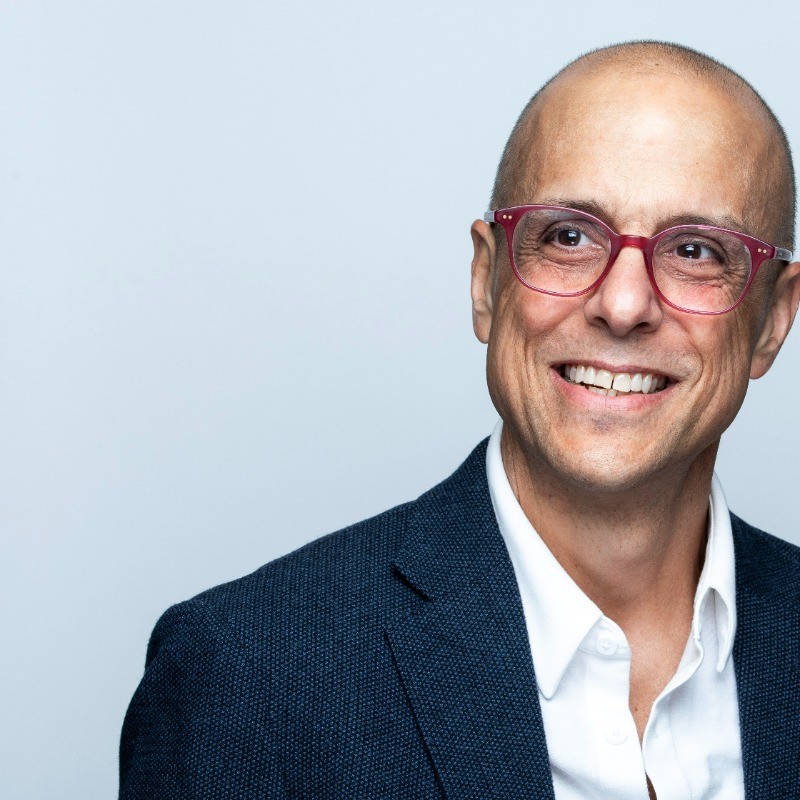
CEO · Partner
Omar is CEO of MarCaps and Professor in the Practice of Marketing at Emory’s Goizueta Business School, with research published in Harvard Business Review. He spent years in marketing leadership at The Coca-Cola Company, including as Global Vice President of Integrated Marketing Communications.
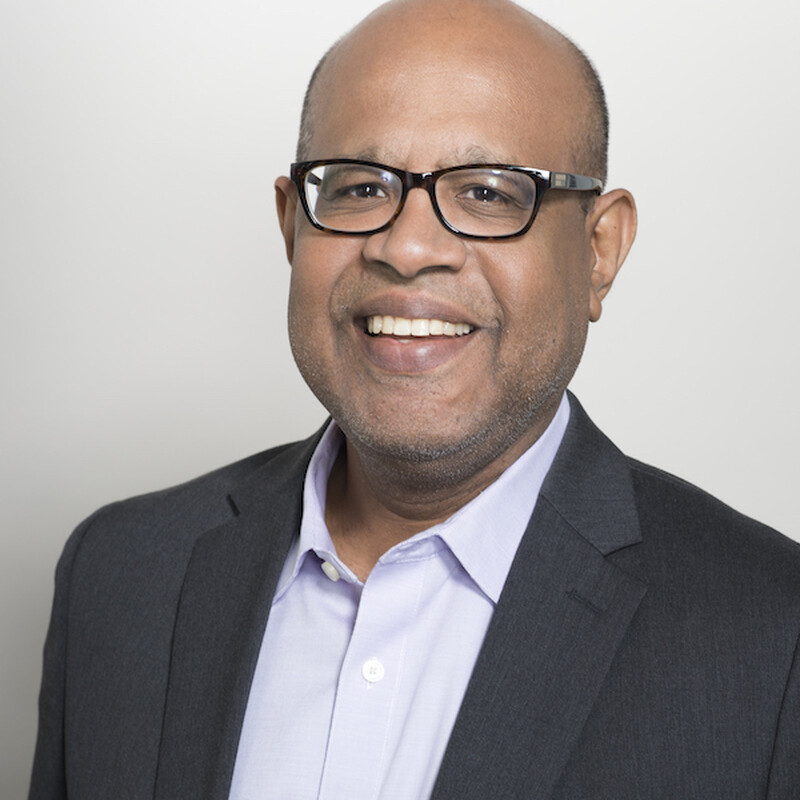
COO · Partner
Shubu is COO of MarCaps, helping clients build growth-oriented marketing capabilities. He began his career at McKinsey & Company before leading global marketing effectiveness efforts at The Coca-Cola Company.
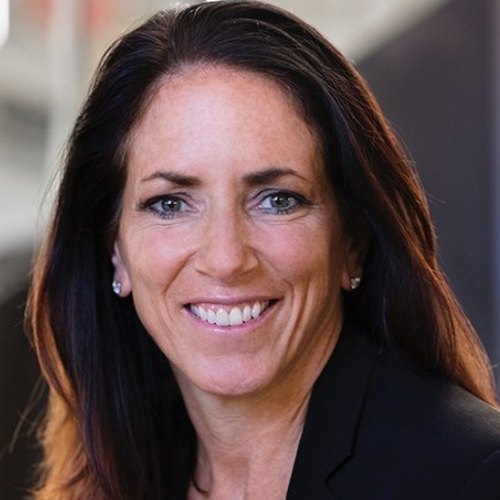
Partner
Rebecca served as the inaugural Global CMO of Uber, following senior marketing roles at Beam Suntory and 22 years at The Coca-Cola Company. She now advises private clients and serves as a Senior Advisor at McKinsey & Company.

Partner
Neil is a partner at MarCaps and Professor of Marketing at the Wisconsin School of Business, known for research on marketing capabilities. He serves on the board of Blake’s Seed-Based Snacks and advises DTC startups.

Partner
Sundar is a partner at MarCaps and holds the Coca-Cola Company Chair in Marketing at the University of Georgia’s Terry College of Business. His research on marketing investment returns has been published in the Journal of Marketing and Harvard Business Review.
We take on five engagements a year. Schedule an advisory session to find out if we’re the right match.

